Every month there's another "AI will replace designers" article. And every month, designers keep designing.
Let me tell you what's actually happening from someone who uses AI tools every day in real client work.
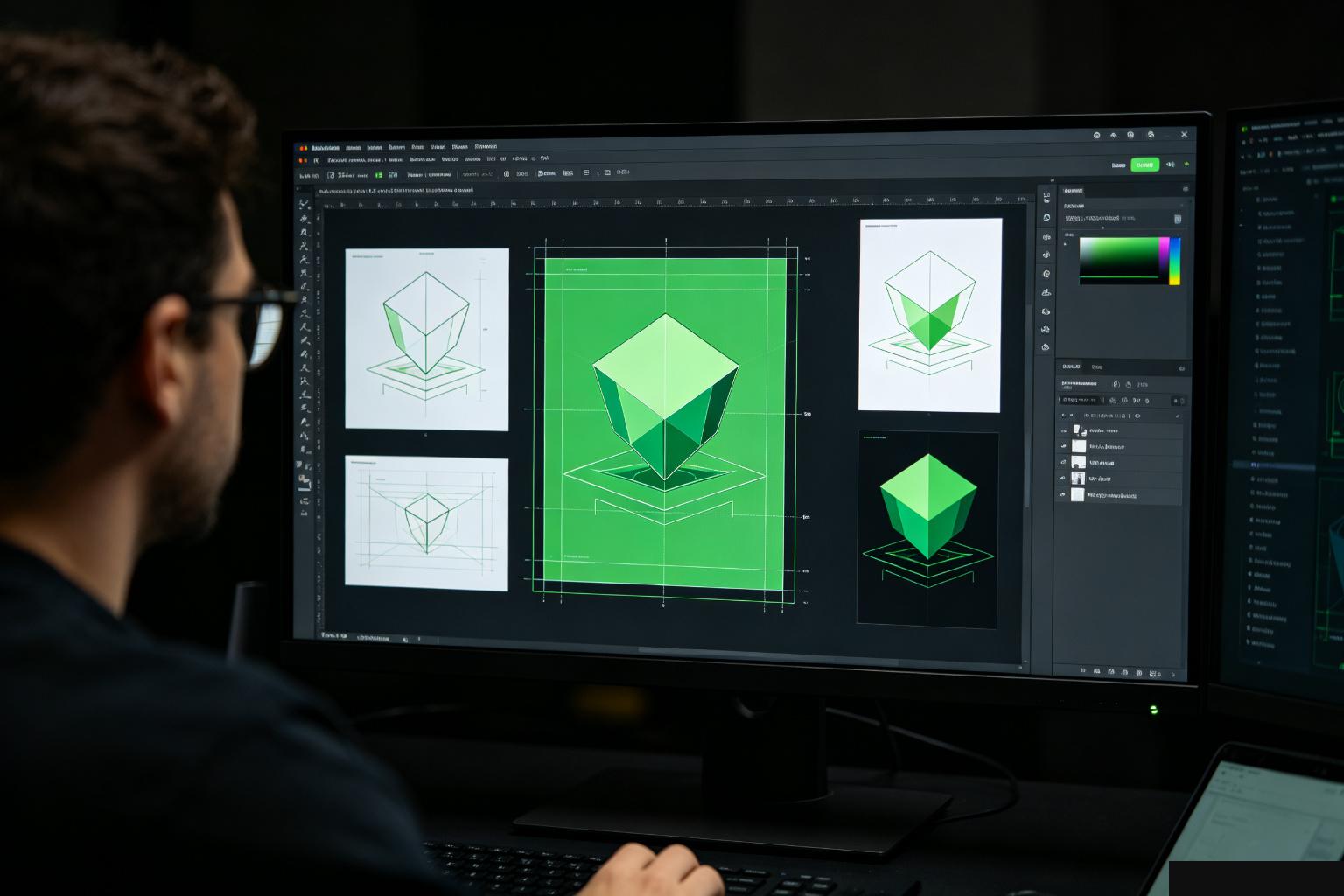
AI is incredible at generating options. You type a prompt, you get five variations. You want three different hero sections, eight different color palettes, a dozen icon styles. In minutes.
Before AI, this took hours. You'd sketch, iterate, sketch again. Now you can explore directions in an afternoon that used to take a week.
That's the real value: speed of exploration. Not speed of execution.
AI can't make decisions. It generates options but it can't tell you which one is right for your product.
It doesn't know your user. It doesn't know why you're building this. It doesn't know that the CEO hates purple, or that your target audience is 5-year-olds who can't read yet.
AI produces generic design. Clean, polished, middle-of-the-road. The kind of design that looks fine but doesn't make anyone feel anything.
We use AI for three things:
Exploration. Generate 10 directions, pick one that sparks an idea, then rebuild it from scratch. The AI version is a reference, not the final output.
Assets. Icons, illustrations, texture variations. AI can generate a base asset that we then refine. It saves hours on repetitive production work.
Prototyping. Quick interactive concepts to test with clients before investing in full design. Get something in front of them fast, see what lands, iterate.
What we don't do: ship AI-generated design as final. It always gets rebuilt, refined, and humanized.
The change isn't "AI replaces designers." It's that the bar for entry got lower. Anyone can make something that looks decent now.
That means two things:
Good design is more valuable, not less. When everyone can make a decent-looking website, the ones with real design thinking stand out. Generic AI slop is everywhere. People notice when something has actual intent behind it.
Designers need to level up. The job isn't pushing pixels anymore. It's understanding the user, making strategic decisions, and knowing which AI output is worth using and which to throw away.
AI is a tool. Like Figma was a tool. Like Photoshop was a tool. It changes how fast you work, but it doesn't change what good design is.
The designers who thrive aren't the ones who fight AI. They're the ones who use it to skip the boring parts and spend more time on the thinking that actually matters.