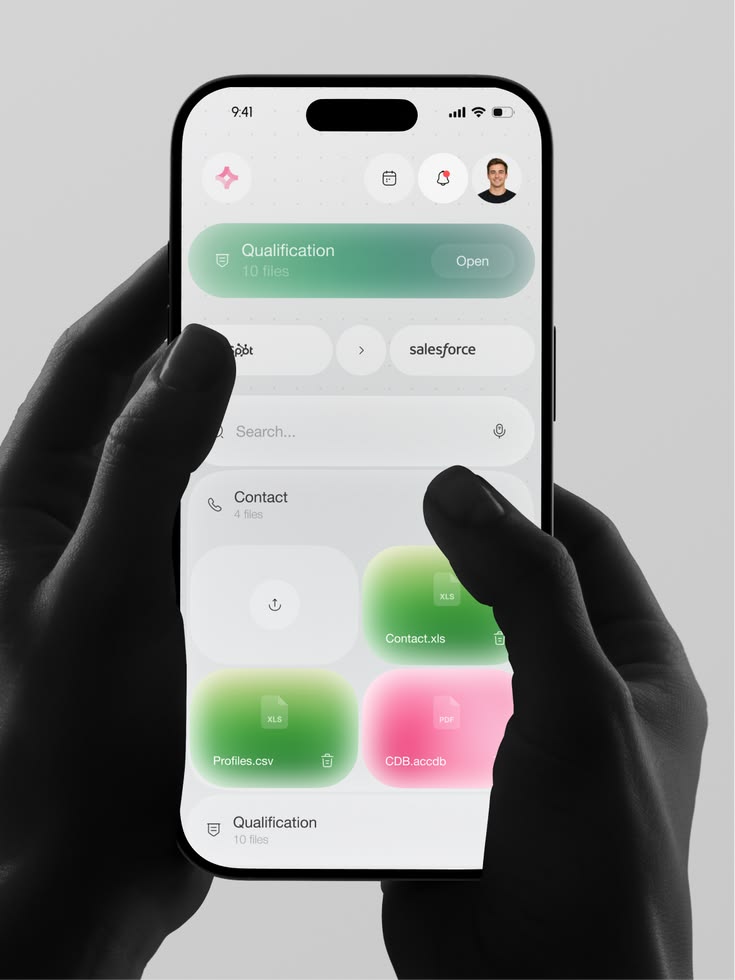
Acquiring a user is expensive. Retaining them is harder. When an app’s retention rates drop, the first reaction is often to blame the marketing or add new features. But the root cause is frequently a UX design problem.
Users don't abandon apps because they are bored; they abandon them because they are frustrated, confused, or overwhelmed. Here is where UX design makes the difference between a daily habit and an uninstall.
1. The cognitive load of onboarding.
If it takes too long to understand how your app works, users will leave. Good onboarding doesn't just show a tutorial; it gets the user to their “Aha!” moment as quickly as possible. We design onboarding flows that deliver immediate value before asking for heavy commitments.
2. Empty states and feedback.
What happens when there is no data yet? What happens when a button is clicked? Poorly designed empty states and lack of feedback make an app feel broken. Micro-interactions, clear loading states, and helpful empty states tell the user, “The system is working, and here is what you should do next.”
3. The friction of navigation.
If a user has to guess where a feature is, the navigation has failed. We design information architecture based on real user mental models, not internal company structures. The most important actions should be easily accessible, and the path back to the home screen should always be obvious.
4. Design handoff matters as much as the design.
A beautiful UI means nothing if the developers cannot build it correctly. A solid UX design process includes providing developers with edge cases, interactive prototypes, and design tokens. This prevents the final product from feeling clunky or misaligned.
Great app design is invisible. It doesn't ask the user to think about the interface; it just helps them get things done.
CTA: If your app suffers from low retention or high drop-off rates, Marcato Studio can help you redesign the experience for growth.